Expert field guide
Experts we learn from
What each person publicly advocates, discusses, or cautions about—with the original article, podcast, or interview and a separate link to the broader evidence.
01 / FIND A VOICE
Search by person or topic
Showing 22 people
02 / AGREEMENT MAP
Where broad health voices overlap
We coded recurring public recommendations from the broad voices below. This is an editorial map—not a scientific consensus statement, survey, or vote.
Food quality
Build meals around minimally processed foods and a sustainable pattern.
Move regularly
Some movement is better than none; reduce long periods of sitting.
Maintain strength
Use resistance work to preserve muscle, capacity, and independence.
Build aerobic fitness
Include repeatable aerobic work, with intensity matched to the person.
Protect sleep
Make adequate sleep opportunity and a regular rhythm part of health care.
Practice recovery
Use repeatable stress skills, relationships, and recovery—not willpower alone.
Use supplements selectively
Match a product and dose to a defined need instead of treating a stack as a foundation.
Prevention before optimization
Prioritize proven prevention and human outcomes before experimental optimization.
Not mentioning a theme is not disagreement. Counts show emphasis in this directory, not the size or certainty of the scientific effect.
03 / SELECTION
A voice list, not a quota
We do not fill a set number of slots in each category. We include people who connect research to recurring general-health decisions, then tag every field they cover. Researchers known mainly for one compound, drug, or protocol appear only when they add essential specialist context.
44 attributed positions are linked to the article, institutional page, podcast, or interview where the person made the point. “Advocates” means a clear public recommendation; “discusses” includes personal practice or emerging ideas; “cautions” records a warning or limit. The JIVANA links evaluate the broader evidence separately.
12 portraits appear because their specific files have a verified reusable license or public-domain basis. Initials mean we did not find a suitable rights-cleared portrait—not that no public photo exists.
04 / BROAD VOICES
People with a general-health perspective
These voices consistently connect several parts of health. Inclusion means their work is useful to follow—not that JIVANA endorses every claim, product, sponsor, or commercial relationship.
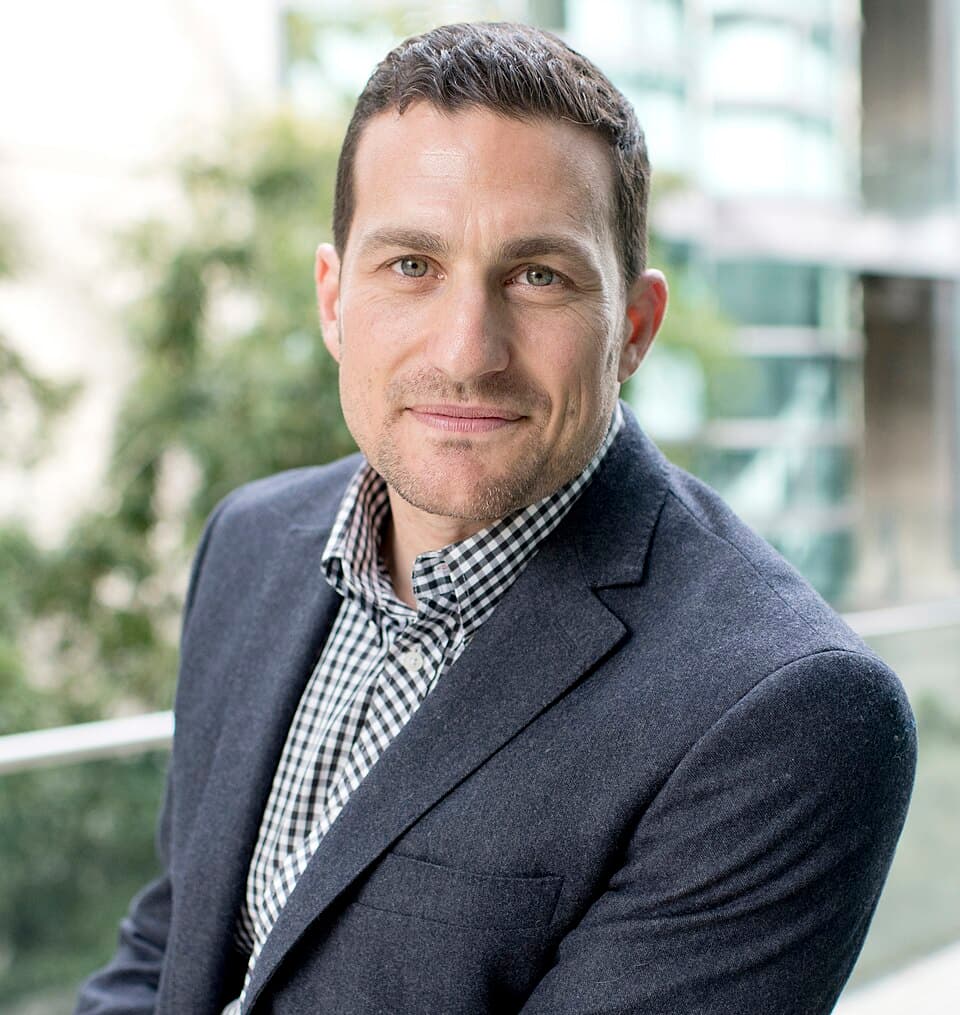
Broad health voice
Andrew Huberman, PhD
Professor of Neurobiology and Ophthalmology, Stanford University; host of Huberman Lab
- Why this voice is here
- He translates neuroscience and physiology into widely followed public protocols across sleep, exercise, stress, and performance.
- Public positions, with sources
Public positions, with sources · 2
Advocates
His published weekly template combines Zone 2 endurance, separate resistance-training days, higher-intensity conditioning, and recovery rather than treating one exercise mode as sufficient.
Original sourceFoundational Fitness ProtocolHuberman Lab · 2022Discusses
His sleep toolkit puts light, schedule, temperature, caffeine timing, and other behavioral tools first, then discusses magnesium threonate or bisglycinate, apigenin, L-theanine, and myo-inositol with cautions and individual variation.
Original sourceSleep Toolkit: Tools for Optimizing Sleep & Sleep-Wake TimingHuberman Lab · 2022-08-08- Evidence boundary
- Many podcast protocols extend beyond his laboratory’s primary research. Check the sources and certainty for each specific claim.
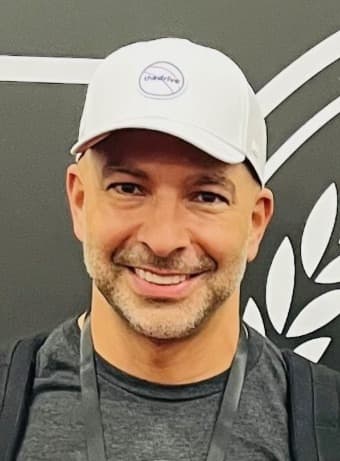
Broad health voice
Peter Attia, MD
Physician focused on longevity medicine; founder of Early Medical and host of The Drive
- Why this voice is here
- He offers a broad, prevention-oriented framework connecting exercise, cardiometabolic risk, sleep, and emotional health.
- Public positions, with sources
Public positions, with sources · 2
Advocates
His longevity training framework uses four pillars: stability, strength, Zone 2 aerobic work, and higher-intensity VO₂ max work, selected around the physical abilities a person wants to retain later in life.
Original sourceTraining for the Centenarian DecathlonPeter Attia MD · 2023-07-10Advocates
His broader framework treats exercise, nutrition, sleep, emotional health, disease-risk management, and selected drugs or supplements as different tools—not a supplement stack that replaces foundations.
Original sourceLongevity 101: a foundational guidePeter Attia MD · 2024-07-29- Evidence boundary
- His paid practice, membership, and some testing or treatment targets go beyond population guidelines; decisions need individual clinical context.
Broad health voice
Rhonda Patrick, PhD
Biomedical scientist and health educator; founder of FoundMyFitness
- Why this voice is here
- She synthesizes research on micronutrients, exercise, aging, sleep, omega-3s, and heat exposure for a large public audience.
- Public positions, with sources
Public positions, with sources · 2
Advocates
She publicly prioritizes vigorous exercise and VO₂ max, and discusses measuring and correcting inadequate vitamin D, magnesium, and marine omega-3 status through food and, when needed, supplements.
Original sourceHow Micronutrients & Exercise Ameliorate AgingFoundMyFitness · 2024-02-21Discusses
She presents sauna and deliberate heat as an optional hormetic practice that may complement exercise, while discussing dose, hydration, and high-temperature cautions.
Original sourceThe Ultimate Guide to Saunas & Heat ExposureFoundMyFitness · 2024-09-02- Evidence boundary
- Her micronutrient, supplement, and sauna interpretations can be more proactive than clinical consensus; distinguish associations from trial outcomes.
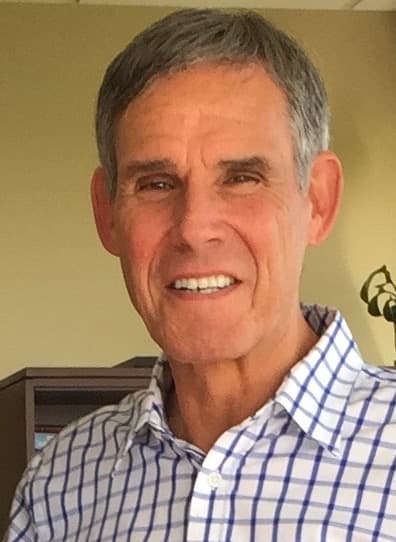
Broad health voice
Eric Topol, MD
Cardiologist, Executive Vice President of Scripps Research, and founder of Scripps Research Translational Institute
- Why this voice is here
- He evaluates prevention, aging, digital medicine, and biomedical claims with a strong focus on human evidence.
- Public positions, with sources
Public positions, with sources · 2
Advocates
His public healthy-aging lecture places diet, sleep, exercise, relationships, purpose, and preventive risk detection ahead of speculative anti-aging technology.
Original sourceThe science of longer, healthier lives — key takeawaysScripps Research Front Row · 2025-01Discusses
His institute’s prevention work studies whether exercise, nutrition, and cognitive coaching can change meaningful human risk markers, illustrating his emphasis on measured outcomes over mechanism alone.
Original sourceHelping the body heal itselfScripps Research Magazine · 2026- Evidence boundary
- His public commentary spans fast-moving fields. Treat forecasts and early findings as provisional until outcomes mature.

Broad health voice
Matthew Walker, PhD
Professor of Neuroscience and Psychology and Director of the Center for Human Sleep Science, University of California, Berkeley
- Why this voice is here
- He is a prominent sleep researcher and public educator on sleep, memory, emotion, performance, and health.
- Public positions, with sources
Public positions, with sources · 2
Advocates
His Berkeley sleep tips emphasize a consistent bedtime and wake time, a cool dark room, dimmer evening light, leaving bed when unable to sleep, and avoiding late caffeine and alcohol.
Original sourceEverything you need to know about sleep, but are too tired to askBerkeley News · 2017-10-17Cautions
His public material treats caffeine as a stimulant that can mask sleep pressure—not a substitute for adequate sleep—and emphasizes regularity across the week.
Original sourceMatthew Walker — Research profile and public guidanceResearch UC Berkeley · Updated 2020- Evidence boundary
- Some popular summaries of sleep science use stronger causal or risk language than individual studies support; inspect claim-specific evidence.
Broad health voice
Christopher Gardner, PhD
Professor of Medicine and nutrition scientist, Stanford University
- Why this voice is here
- He leads human diet trials comparing eating patterns while emphasizing food quality and practical adherence.
- Public positions, with sources
Public positions, with sources · 2
Advocates
His public food framework emphasizes vegetables and whole foods, limits added sugars and refined grains, and leaves room for beans, fruit, nuts, eggs, fish, and yogurt according to preference and context.
Original sourceFood Sense: What to Eat and WhyStanford Medicine · 2026Cautions
He argues against diet-war thinking: trial results support improving food quality and adherence rather than assuming one low-fat or low-carbohydrate ratio works for everyone.
Original sourceFood Sense: What to Eat and WhyStanford Medicine · 2026- Evidence boundary
- Diet trials answer defined comparisons; they do not establish one universal diet for every goal or condition.
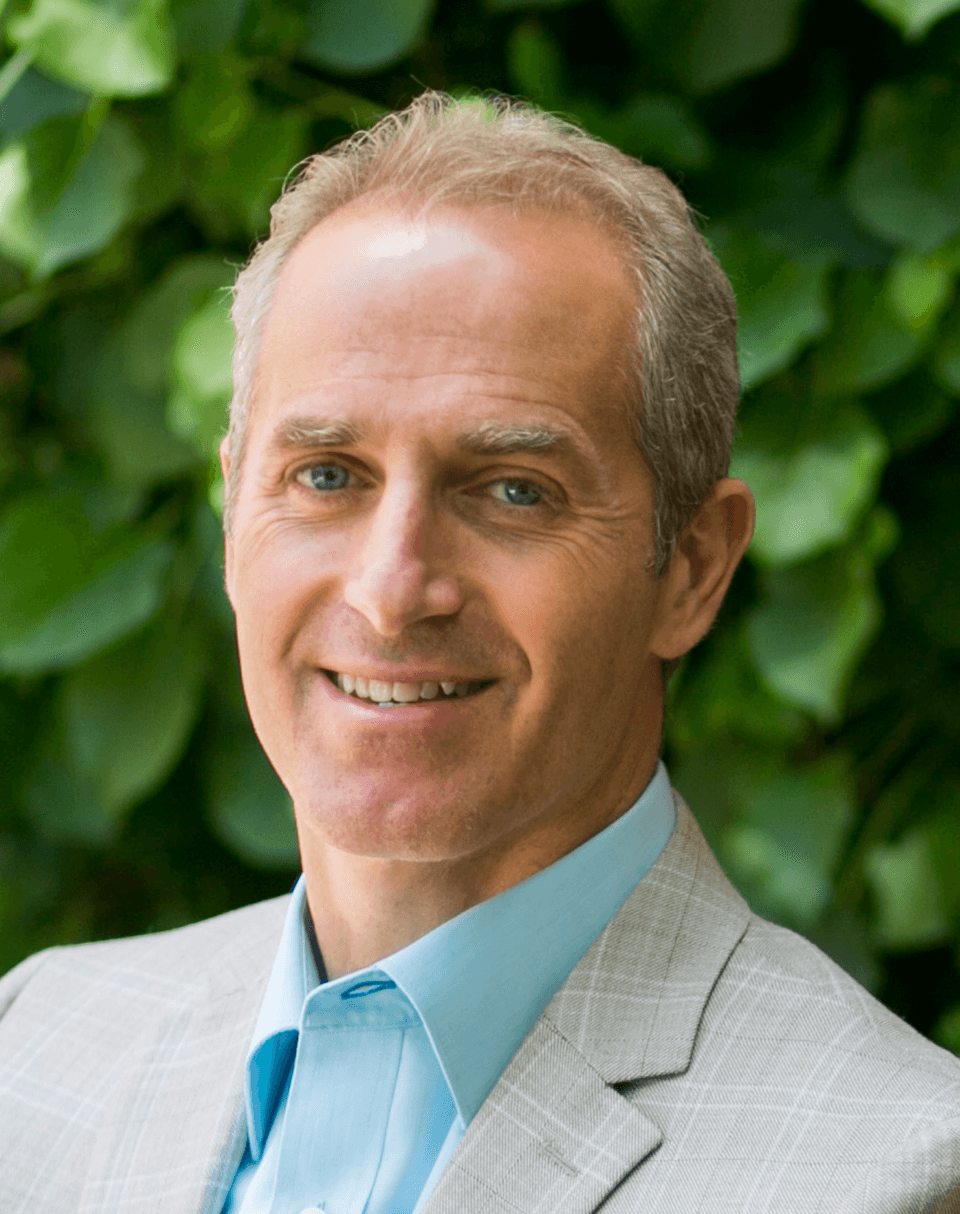
Broad health voice
Dariush Mozaffarian, MD, DrPH
Cardiologist and Director, Food is Medicine Institute at Tufts University
- Why this voice is here
- His work connects nutrition science with cardiometabolic health, healthcare delivery, and food policy.
- Public positions, with sources
Public positions, with sources · 2
Advocates
He advocates treating food as part of prevention and clinical care, including produce prescriptions and medically tailored meals where evidence and access support them.
Original sourceNew Institute Aims to Change Health Care Through NutritionTufts University School of Medicine · 2023-10-17Advocates
In public testimony he describes a healthier pattern as lower in refined starch, sugar, salt, and additives and richer in fruits, vegetables, nuts, beans, whole grains, seafood, and yogurt.
Original sourceNutrition Expert to U.S. Senators: Enact Food is Medicine Policy NowTufts Now · 2024-05-23- Evidence boundary
- Nutrition policy recommendations combine several evidence types and value judgments; not every proposal is settled science.
Broad health voice
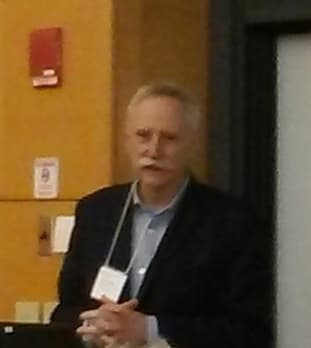
Walter Willett, MD, DrPH
Professor of Epidemiology and Nutrition, Harvard T.H. Chan School of Public Health
- Why this voice is here
- He helped build large, long-running studies of dietary patterns and chronic disease.
- Public positions, with sources
Public positions, with sources · 2
Advocates
His recent public advice favors a Mediterranean-style pattern built around whole grains, vegetables, fruit, nuts, legumes, soy foods, and healthy fats, with limited refined grains and processed meats.
Original sourceHealthy eating advice from nutrition expert Walter WillettHarvard T.H. Chan School of Public Health · 2025-11-05Advocates
He stresses that a healthy diet must remain enjoyable and sustainable rather than functioning as punishment.
Original sourceHealthy eating advice from nutrition expert Walter WillettHarvard T.H. Chan School of Public Health · 2025-11-05- Evidence boundary
- Much long-term nutrition evidence is observational; confounding and measurement limits matter when interpreting effect size.
Broad health voice
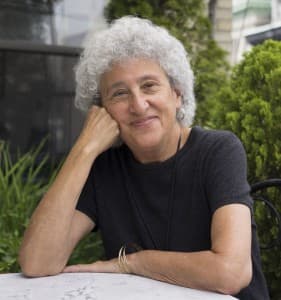
Marion Nestle, PhD, MPH
Professor Emerita of Nutrition, Food Studies, and Public Health, New York University
- Why this voice is here
- She examines how food policy, marketing, and commercial incentives shape what people eat.
- Public positions, with sources
Public positions, with sources · 2
Advocates
She generally favors obtaining nutrients from whole foods and reserves supplements for diagnosed deficiency or another defined need.
Original sourceFoods vs. SupplementsFood Politics by Marion Nestle · 2007-06-18Cautions
Her supplement writing repeatedly warns that labels, herbal-product identity, and benefit claims may not match the evidence or the contents of the product.
Original sourceThe dismal news about supplements. Why bother?Food Politics by Marion Nestle · 2013-11-14- Evidence boundary
- Her focus is policy and commercial influence, not individualized clinical nutrition.
Broad health voice
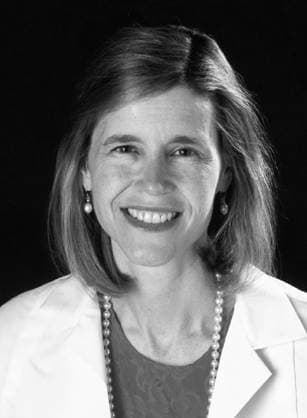
JoAnn Manson, MD, MPH, DrPH
Professor of Medicine and Epidemiology, Harvard; Chief of Preventive Medicine, Brigham and Women’s Hospital
- Why this voice is here
- She leads major randomized trials of supplements and other preventive strategies.
- Public positions, with sources
Public positions, with sources · 2
Cautions
From VITAL results, she says routine vitamin D supplementation did not prevent fractures or falls in generally healthy midlife and older adults, while deficiency and selected high-risk conditions still warrant treatment.
Original sourceVitamin D — VITAL trial findingsThe Nutrition Source, Harvard T.H. Chan School · Updated 2023Discusses
She places fish, a heart-healthy diet, physical activity, and other habits first, while saying marine omega-3 supplementation may have a role for appropriate patients.
Original sourceOmega-3 fish oil supplements and cardiovascular disease riskHarvard T.H. Chan School of Public Health · 2019-09-30- Evidence boundary
- Trial averages may not predict an individual result; subgroup findings require especially careful interpretation.
Broad health voice
Stuart Phillips, PhD
Professor of Kinesiology and Canada Research Chair in Skeletal Muscle Health, McMaster University
- Why this voice is here
- He studies how resistance exercise and dietary protein affect muscle and healthy aging.
- Public positions, with sources
Public positions, with sources · 2
Advocates
He argues that resistance training deserves equal footing with aerobic exercise for health and becomes increasingly important for maintaining function with age.
Original sourceResistance exercise is far from futileMcMaster News · 2024-01-03Advocates
His healthy-aging work pairs repeated resistance exercise with adequate high-quality dietary protein; protein powder is primarily a convenient way to meet intake, not a stand-alone longevity treatment.
Original sourceHealthspan versus lifespan: the vital role of muscleMcMaster News · 2024-11-12- Evidence boundary
- Protein targets vary with age, training, energy intake, and clinical conditions; more is not always better.
Broad health voice
Brad Schoenfeld, PhD
Professor of Exercise Science, Lehman College; human performance researcher
- Why this voice is here
- He studies how resistance-training volume, load, frequency, and progression affect strength and muscle.
- Public positions, with sources
Public positions, with sources · 2
Advocates
He emphasizes that meaningful muscle growth can occur across a broad range of loads when training is sufficiently challenging, rather than requiring one supposedly perfect repetition range.
Original sourceFitness or Fad? Professor Brad Schoenfeld Explains it AllLehman College · 2026Discusses
His coauthored position stand treats exercise selection, volume, frequency, proximity to failure, rest, and progression as adjustable variables—not a single branded regimen.
Original sourceResistance Training Recommendations to Maximize Muscle HypertrophyInternational Universities Strength and Conditioning Association · 2021- Evidence boundary
- Most hypertrophy studies are short and use trained protocols; translate averages to the individual conservatively.
Broad health voice
Martin Gibala, PhD
Professor of Kinesiology, McMaster University; interval-training researcher
- Why this voice is here
- He tests time-efficient interval exercise and its effects on fitness and metabolic health.
- Public positions, with sources
Public positions, with sources · 2
Advocates
He describes interval training as alternating harder and easier periods and explicitly says the work intervals do not need to be all-out; a challenging, repeatable effort can be enough.
Original sourceMartin Gibala on high-intensity interval trainingMcMaster News · 2021-11-11Discusses
His lab tested an 11-minute bodyweight interval routine three times per week as a practical, equipment-free way to improve cardiorespiratory fitness.
Original sourceSimple exercises are a practical, efficient way to boost fitnessMcMaster News · 2021-01-04- Evidence boundary
- Time-efficient does not mean risk-free; high intensity needs progression and may not suit every condition.

Broad health voice
I-Min Lee, MBBS, ScD
Professor of Medicine and Epidemiology, Harvard Medical School and Harvard T.H. Chan School of Public Health
- Why this voice is here
- She studies physical activity, sedentary behavior, step counts, and chronic disease prevention.
- Public positions, with sources
Public positions, with sources · 2
Advocates
Her public message is “some is better than none”: build movement into daily life, interrupt prolonged sitting, and increase from the current baseline rather than waiting for a perfect plan.
Original sourceMake sitting less and moving more a daily habit for good healthHarvard T.H. Chan School of Public Health · 2025-01-08Advocates
For people able to exercise, she points to about 150 minutes of moderate-to-vigorous activity per week as a sufficient longevity target, which can be accumulated in shorter sessions.
Original sourceFor longevity, aim for 150 minutes of weekly exerciseHarvard T.H. Chan School of Public Health · 2022-04-14- Evidence boundary
- Wearable step studies are often observational; exact thresholds should not become pass-fail rules.
Broad health voice
Elissa Epel, PhD
Professor of Psychiatry, University of California, San Francisco; stress and aging researcher
- Why this voice is here
- She studies how chronic stress and social conditions relate to behavior, metabolism, and biological aging.
- Public positions, with sources
Public positions, with sources · 2
Advocates
Her public stress prescription uses brief repeatable practices: label the stress response, create periods of deep rest, use manageable positive stress followed by recovery, and cultivate moments of joy.
Original source9 tips to cope with stress and cultivate joyUCSF Department of Psychiatry and Behavioral Sciences · 2023-12-12Advocates
She identifies social support, meditation, exercise, and an anti-inflammatory dietary pattern as practical, lower-risk approaches, while warning that extreme biohacks may be unhealthy or infeasible.
Original sourceDecoding the Mystery of the Super-AgerUCSF Magazine · 2019- Evidence boundary
- Stress biomarkers and aging clocks are not direct measures of how long one person will live.
Broad health voice
Judson Brewer, MD, PhD
Psychiatrist, neuroscientist, and Director of Research and Innovation, Brown University Mindfulness Center
- Why this voice is here
- He studies habit loops and mindfulness-based approaches to anxiety, craving, and behavior change.
- Public positions, with sources
Public positions, with sources · 2
Advocates
He teaches people to identify the trigger–behavior–reward loop, use curiosity rather than force, and practice “short moments, many times” to update the reward value of an anxious or unwanted habit.
Original sourceUnwinding Anxiety: brain-based techniques accessible to anyoneBrown University School of Public Health · 2021-03-09Advocates
His practical anxiety guidance begins with recognizing the loop—such as news trigger, scrolling or worry, and greater anxiety—then bringing curious awareness to the result.
Original sourceFinding calm amid chaosBrown University · 2024-10-23- Evidence boundary
- Mindfulness is a skill, not a cure-all; effect sizes, app involvement, and comparison treatments matter.
Broad health voice
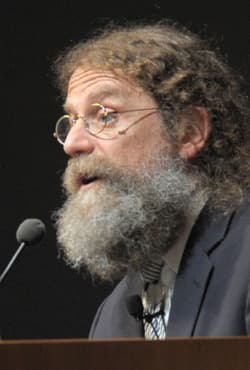
Robert Sapolsky, PhD
Professor of Biology, Neurology, and Neurosurgery, Stanford University
- Why this voice is here
- His work explains how chronic stress biology interacts with control, predictability, social rank, and relationships.
- Public positions, with sources
Public positions, with sources · 2
Cautions
His public stress teaching explains that the acute stress response becomes harmful when psychological threats keep it activated chronically; the goal is not to deny real stressors or treat them as a mindset failure.
Original sourceThe Psychology of StressGreater Good Science Center — public lecture · 2012-03-20Advocates
Applied summaries of his work emphasize increasing realistic predictability and control and strengthening social support, while recognizing that hierarchy and unequal conditions can generate chronic stress.
Original sourceHow to Be a Good Boss in Trying TimesStanford Graduate School of Business · 2020- Evidence boundary
- Animal and mechanistic stress research clarifies biology but does not prescribe one universal human intervention.
05 / SPECIALIST CONTEXT
Useful perspectives with a narrower boundary
These experts help explain a specific research frontier or safety issue. Their presence does not turn an experimental intervention into general-health advice.

Specialist / experimental context
David Sinclair, PhD
Professor of Genetics, Harvard Medical School; aging-biology researcher
- Why this voice is here
- He is an influential public voice on sirtuins, NAD biology, epigenetics, and possible interventions in aging.
- Public positions, with sources
Public positions, with sources · 2
Advocates
In his own podcast he promotes a mostly plant-based pattern, eating less often, exercise that includes aerobic and weight training, and other “adversity mimetics” as his lifestyle framework.
Original sourceExercise, Heat, Cold & Other Stressors for LongevityLifespan with Dr. David Sinclair · 2022-01-19Discusses
He publicly discusses a personal longevity-molecule protocol involving NMN, resveratrol, and other drugs or supplements, while the episode itself labels much of the evidence experimental and notes mechanisms, limitations, and side effects.
Original sourceNMN, NR, Resveratrol, Metformin & Other Molecules for LongevityLifespan with Dr. David Sinclair · 2022-01-26- Evidence boundary
- Much of the intervention evidence is mechanistic or from animals. Personal protocols and commercial activity are not proof of human healthspan benefit.
Specialist / experimental context
Matt Kaeberlein, PhD
Professor of Laboratory Medicine and Pathology, University of Washington; geroscience researcher
- Why this voice is here
- He studies biological aging and interventions such as rapamycin while communicating the difference between geroscience promise and clinical proof.
- Public positions, with sources
Public positions, with sources · 2
Advocates
In long-form interviews he puts the established range first—appropriate food intake, exercise, sleep, avoiding smoking, and maintaining muscle—while saying most drug and supplement territory remains unknown.
Original sourceThe Life-Extension Episode — Matt KaeberleinThe Tim Ferriss Show — interview transcript · 2022-07-30Discusses
He describes rapamycin as a leading geroscience candidate because of robust animal evidence, but his work is aimed at clinical testing; it is not proof of routine use for healthy people.
Original sourceExpanded rapamycin clinical trials for dog longevityUniversity of Washington HALO · 2021-09-29- Evidence boundary
- Rapamycin and other gerotherapeutics remain experimental for generally healthy people and carry real risks.
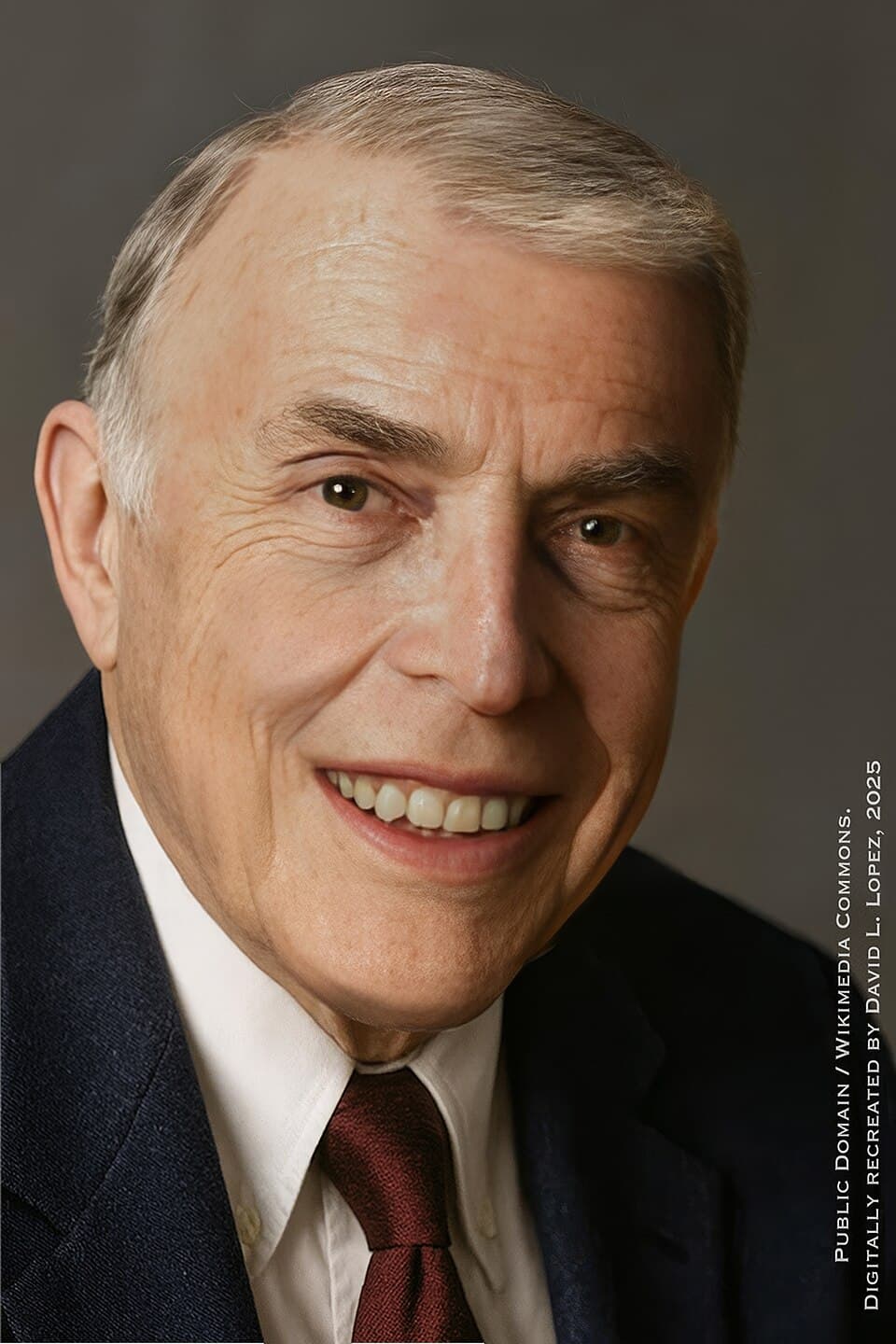
Specialist / experimental context
Charles Brenner, PhD
Chair of Diabetes and Cancer Metabolism and Professor, City of Hope; NAD metabolism researcher
- Why this voice is here
- He is a leading specialist in NAD metabolism and a useful corrective to simplified claims about NAD-boosting supplements.
- Public positions, with sources
Public positions, with sources · 2
Discusses
His specialist position is that NAD metabolism is central to cellular energy and stress responses, and that nicotinamide riboside can raise NAD availability in defined metabolic-stress research contexts.
Original sourceCharles Brenner Lab — NAD metabolism overviewCity of Hope · Current research overviewCautions
His public research profile describes safety and early human activity for NR in selected outcomes; it does not claim that NR or NMN is proven to extend human lifespan.
Original sourceCharles Brenner, PhD — research profileCity of Hope · Current profile- Evidence boundary
- Expertise in NAD biology does not establish that routine NR or NMN use improves lifespan or healthspan.
Specialist / experimental context
Valter Longo, PhD
Professor of Gerontology and Biological Sciences and Director of the Longevity Institute, University of Southern California
- Why this voice is here
- He studies fasting, nutrient sensing, and fasting-mimicking diets from basic biology through clinical trials.
- Public positions, with sources
Public positions, with sources · 2
Advocates
His “longevity diet” is largely plant-based or pescatarian, limits refined carbohydrates and meat, uses an 11–12-hour daily eating window, and adjusts protein upward for some older adults at risk of frailty.
Original sourceStudy: Valter Longo Characterizes Longevity DietUSC Leonard Davis School of Gerontology · 2022-04-28Cautions
He discusses periodic fasting-mimicking diets as defined interventions, but warns against unsupervised water-only fasting and says some people or conditions should not use them.
Original sourceDiet that Mimics Fasting Appears to Slow Aging, Aid Cell RegenerationUSC Leonard Davis School of Gerontology · 2015-06-18- Evidence boundary
- Fasting findings are protocol- and population-specific; restriction can be harmful for some people and conditions.
Specialist / experimental context
Pieter Cohen, MD
Associate Professor of Medicine, Harvard Medical School; supplement-safety researcher
- Why this voice is here
- He investigates hidden drugs, inaccurate labels, and regulatory gaps in dietary supplements.
- Public positions, with sources
Public positions, with sources · 2
Cautions
His investigations show that some supplements contain hidden drugs or inaccurate amounts, so legality and a label are not proof of identity, safety, or effectiveness.
Original source5 Questions with a Food Supplements InvestigatorHarvard Medicine Magazine · 2015Advocates
When a supplement has a defined purpose, he recommends checking ingredient count and using meaningful independent certification such as USP or NSF Certified for Sport rather than relying on marketing seals.
Original sourceStart vetting your supplementsHarvard Health · 2023-06- Evidence boundary
- He provides product-safety and regulatory context, not a broad lifestyle playbook.
External links go to institutional biographies, official public accounts, or clearly identified searches and talks. Social content is context—not clinical guidance.
06 / EDITORIAL NOTE
Expert opinion is not consensus evidence
Recommendations can change, conflict, or move beyond the data. JIVANA checks affiliations and links, discloses important boundaries, and evaluates health claims separately. We do not copy an expert’s confidence level into our evidence rating.
See how we evaluate claims →